 SEO
SEO Business for Sale
 Automation
 e-Book
Understanding the Foundation of SEO
Search Engine Optimization—often shortened simply to SEO—is one of the most influential digital growth strategies today. Because your focus keyword SEO already appears in the first paragraph, we’re building strong Yoast SEO optimization from the start.
In this blog, written for your English website WORK and SEO, you’ll find a comprehensive, engaging, human-like guide with rich formatting, icons, image suggestions, color cues, smart quotes, and interactive ideas to help visitors stay on your page longer.
What Is SEO?
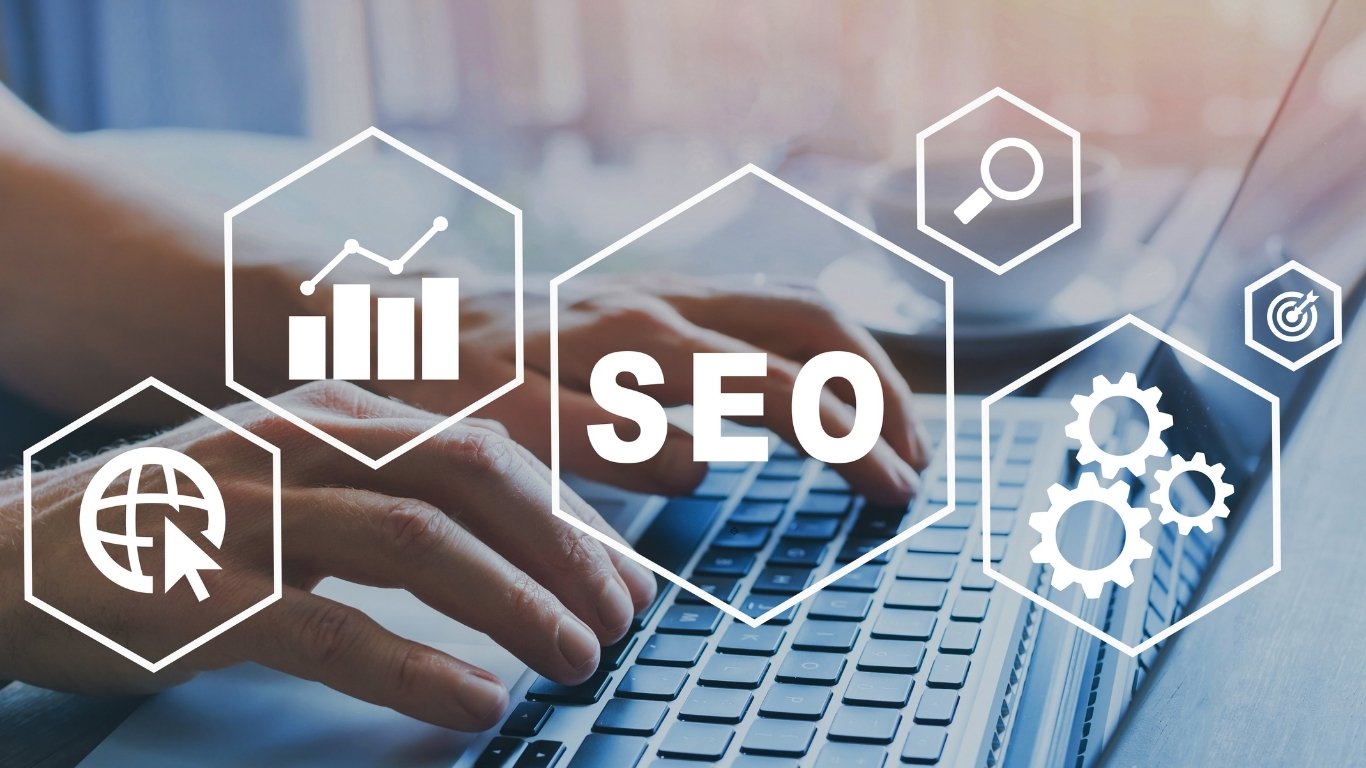
SEO stands for Search Engine Optimization, a set of strategies designed to help a website rank higher on Google, Bing, and other search engines. While it sounds simple, mastering SEO is both an art and a science. Sometimes, SEO feels like solving a puzzle—other times, it’s surprisingly intuitive, especially when paired with excellent content.
💡 Quote Suggestion (Styled Box):
“Great SEO doesn’t trick Google. It teaches Google why your content deserves to win.”
When you invest effort into SEO, your website becomes easier to find, easier to navigate, and far more trustworthy in your visitors’ eyes. Whether you’re a business owner, blogger, ecommerce manager, or local service provider, SEO is your path to sustainable, organic traffic.
How Search Engines Work?

Search engines use digital bots called crawlers to scan the internet. These crawlers gather data, understand site structure, and index content. When someone searches for something, the engine matches queries with the most relevant results.
A simple breakdown:
Ranking: Sorting content
Crawling: Discovering content
Indexing: Storing content
Why SEO Matters More Than Ever?
In an age where people “Google everything,” SEO is no longer optional—it’s a necessity.
SEO helps you:
- Get free, ongoing traffic
- Increase brand trust
- Outrank competitors
- Gain long-term visibility
- Improve user experience
If your competitors are appearing above you, they’re winning attention before you even get a chance. But SEO levels the playing field, giving every business—from global brands to local shops—the opportunity to shine.
Core Elements of SEO Strategy
A strong SEO strategy blends technical, creative, and analytical thinking. It includes:
- Keyword optimization
- Fast page speed
- High-quality content
- Backlinks
- Mobile-friendly design
- Clean site architecture
These components work like gears in a machine—if one breaks, the entire system suffers.
Mastering On-Page Optimization
On-page SEO is the foundation of your visibility. You control everything here:
Key elements include:
- Title tags
- Meta descriptions
- Headings
- Alt text for images
- Internal linking
- Keyword placement
Use simple, direct language. Short sentences. Clear formatting. Google loves clarity, and so do human readers.
Internal Link Suggestion:
Link to your future article: “How to Optimize On-Page SEO (Complete Guide)”
Building Authority With Off-Page SEO
Off-page SEO is all about reputation.
Important ranking signals:
- Backlinks from authoritative websites
- Brand mentions
- Social signals
- Online reviews
Imagine backlinks as votes of confidence—other sites telling Google that you matter.
Technical SEO Essentials
Technical SEO is where things get highly precise but incredibly powerful.
Must-have technical improvements:
- Fast loading pages
- Clean code
- XML sitemap
- HTTPS security
- Structured data
- Mobile compatibility
A technical SEO agency can help diagnose deep issues if your site struggles to rank.
Understanding Search Intent in SEO
If you misunderstand user intent, you’ll never rank.
People search with motivations such as:
- Learning something
- Buying something
- Comparing options
- Finding local businesses
The better your page satisfies intent, the higher your chances of success.
How Keyword Research Shapes Success
Keyword research helps you discover what people actually type into Google.
Use tools like:
- Google Keyword Planner
- SEMrush
- Ahrefs
- Ubersuggest
Target a mix of:
- Short keywords
- Long-tail keywords
- Local keywords
- Commercial keywords
This future-proofs your strategy and supports long-term growth.
SEO and High-Quality Content Creation
The heart of SEO is content.
Great SEO content:
- Answers questions clearly
- Follows a logical structure
- Adds helpful insights
- Includes visuals
- Builds trust
Even ecommerce SEO benefits from detailed product descriptions and helpful blog guides.
Local SEO for Small Business Success
Local SEO helps you appear for searches like “seo agency near me” or “local coffee shop”.
Key tactics:
- Google Business Profile optimization
- Local citations
- Reviews
- Local backlinks
A local seo agency can help businesses dominate local search results.
What Makes Ecommerce SEO Unique?
Ecommerce sites face unique SEO challenges:
- Thousands of product pages
- Duplicate content
- Complex site structures
Working with an ecommerce SEO agency helps manage these complexities while improving sales.
Choosing the Best SEO Agency
There is no “one-size-fits-all” SEO agency. The best seo agency is the one that understands your goals, aligns with your values, and communicates transparently.
Qualities to look for:
- Clear reporting
- Proven track record
- White-hat methods
- Strong content creation team
- Technical competence
Do You Need a SEO Consultant?
A seo consultant gives more personalized, focused attention than large agencies. This is ideal for businesses wanting tailored guidance instead of packaged plans.
Essential SEO Tools for Beginners
Suggested toolkit:
- Google Search Console
- Google Analytics
- Screaming Frog
- Ahrefs
- Moz
These tools help diagnose issues and highlight growth opportunities.
The Relationship Between SEO and User Experience
Good SEO is good UX.
Google rewards websites that:
- Load quickly
- Provide clear navigation
- Offer accessibility
- Avoid pop-up overload
When users feel comfortable, they stay longer—improving your SEO.
Mobile-First SEO Strategies
More than half of searches now come from phones.
Priority considerations:
- Responsive design
- Lightweight images
- Fast load time
- Easy scrolling
Tracking SEO Performance the Right Way
Metrics matter.
Track:
- Organic clicks
- Impressions
- Bounce rate
- Conversion rate
- Keyword rankings
- Backlink growth
These numbers guide your next SEO decisions.
Impact of AI on SEO Today
Artificial Intelligence now influences content creation, keyword clustering, search behavior, and ranking signals. Google increasingly rewards human-like writing—clear, simple, useful, genuine.
Future of SEO
Expect trends like:
- Zero-click searches
- Voice search
- Visual search
- Hyper-localized SEO
- AI-assisted ranking algorithms
SEO Mistakes to Avoid
Avoid:
- Keyword stuffing
- Thin content
- Slow websites
- Duplicate pages
- Buying cheap backlinks
Mistakes like these can quietly destroy rankings.
Powerful SEO Best Practices
- Write for humans first
- Improve page speed
- Use internal links
- Add outbound links
- Keep sentences short
- Use transition words
- Refresh old content
Why “What Is SEO?” Still Matters in 2025
Because SEO never stops evolving. There’s always more to learn, more to apply, and more to improve. When businesses understand the fundamentals, every marketing effort becomes more effective.
FAQs
What is SEO?
SEO is the process of improving website visibility in organic search results.
How long does SEO take to work?
Most websites begin seeing improvements within 3–6 months.
Is SEO better than paid ads?
Yes for long-term value, but paid ads are faster for immediate traffic.
Do I need a SEO consultant?
A consultant is useful when you need personalized guidance or expert help.
How much does SEO cost?
Costs vary based on scope—local SEO, ecommerce SEO, and technical SEO all differ.
Is SEO difficult to learn?
It’s easier than people think, especially when you master fundamentals like keywords and content structure.
Conclusion
Understanding what is SEO empowers businesses, entrepreneurs, and content creators to compete in a world where visibility determines success. Whether you choose a seo agency, hire a consultant seo, or build skills yourself, SEO provides endless opportunities for sustainable growth.
With the right strategy, your website becomes more than a collection of pages—it becomes a destination.
